
A rexine jacket typically lasts between three and five years, depending on the quality of its materials, the way it is worn, and how it is cared for over time. This lifespan forms because rexine is a synthetic leather surface bonded to fabric backing, and both layers respond directly to temperature, friction, moisture, and movement during everyday use.
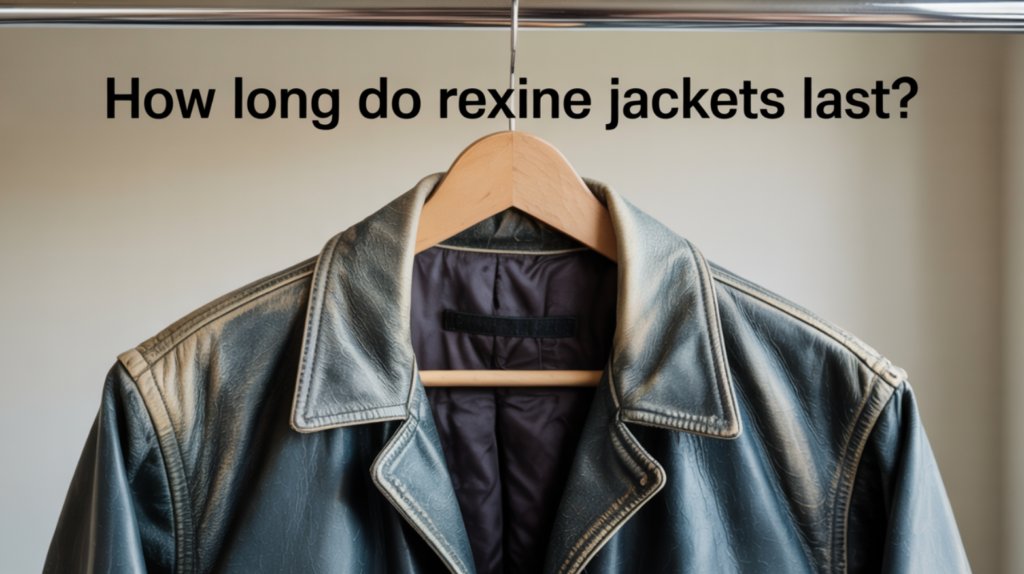
Some jackets remain smooth and flexible for years, while others begin cracking or peeling much sooner. This difference does not happen randomly. It develops from construction quality, material type, and daily habits that slowly shape how the jacket ages.
Understanding this lifespan allows buyers to set realistic expectations and make better long-term decisions before investing in their next jacket.
Average Lifespan of a Rexine Jacket
Most standard rexine jackets deliver three to five years of dependable use. Premium builds, especially those using advanced coatings and stronger backing fabrics, often last longer when protected from harsh environmental conditions.
As the jacket moves with the body, tiny stress points form across the surface. When the underlying structure is strong, these stresses distribute evenly and remain stable. When the structure is weak, the surface begins to split and lift, which explains why many owners later search for guidance on why some rexine jackets fail faster than others after noticing early wear.
How Usage Patterns Shape Longevity
A jacket worn occasionally in mild weather ages far more slowly than one exposed daily to heat, moisture, and constant friction. Storage also plays a powerful role. Jackets folded tightly in warm spaces dry out faster than those hung in cool, ventilated areas.
This is why long-term owners gradually refine their habits after learning the best practices when buying a long-lasting rexine jacket, understanding that longevity does not end at the point of purchase but continues through daily care.
How Material Type Influences Durability
Not all rexine is built the same. Jackets made with softer polyurethane coatings remain more flexible over time, while polyvinyl chloride versions offer stronger resistance to moisture but develop stiffness faster.
Many buyers explore this distinction carefully before choosing their jacket, often comparing the strengths of each option in discussions about PU vs PVC rexine durability to determine which material best suits their climate and lifestyle.
When Rexine Jackets Begin to Show Age
The earliest signs of aging usually appear at stress points such as elbows, shoulders, cuffs, and zipper lines. At this stage, the surface may lose its original softness, developing subtle wrinkles and dullness before more visible cracking emerges.
Once these changes begin, deterioration often accelerates unless protective habits are adopted quickly. However, jackets that started with high construction quality generally slow this process and remain wearable long after lower-grade versions have already failed.
Conclusion
Rexine jackets last as long as their materials, construction, and daily treatment allow them to. When quality manufacturing meets thoughtful use, a jacket remains dependable and visually pleasing for years. When any of these elements fall short, deterioration appears early and spreads quickly.
By understanding how rexine ages and what influences its lifespan, buyers gain control over their investment, turning a simple fashion choice into a reliable long-term companion.