
Most rexine jackets on the market today are made using either PU (polyurethane) or PVC (polyvinyl chloride) coatings. These two materials may look similar on the surface, but their long-term behavior, comfort, and durability differ significantly.
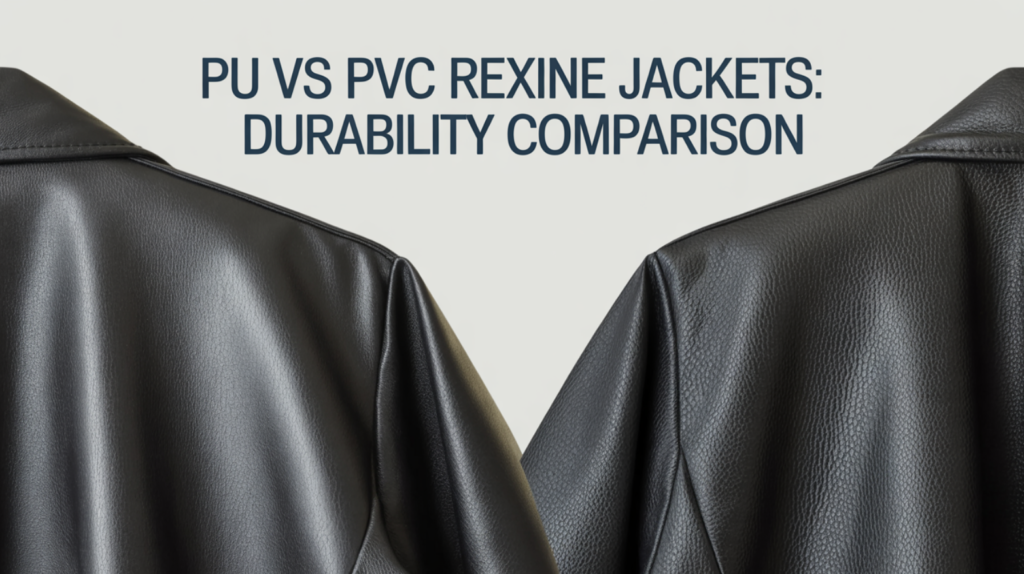
Rexine itself is a synthetic leather structure where the surface coating and the inner fabric backing must work together under constant motion, temperature changes, and daily friction. The type of coating chosen directly influences how the jacket ages, how it feels when worn, and how resistant it remains against environmental stress.
Understanding this material difference helps buyers select a jacket that matches their climate, usage patterns, and expectations for longevity.
How PU Rexine Performs Over Time
PU rexine offers a softer, more flexible feel. This flexibility allows the surface to move naturally with the body, reducing stress buildup at elbows, shoulders, and seams. As a result, PU jackets usually remain comfortable and visually smooth during regular use.
However, PU coatings are more sensitive to heat and humidity. When exposed repeatedly to warm or moist conditions, the surface may begin drying out and weakening. This behavior is one reason some owners later explore how long rexine jackets last when they notice early changes in texture.
How PVC Rexine Handles Wear and Exposure
PVC rexine feels firmer and heavier. This rigidity gives it strong resistance against water, abrasion, and surface scuffing, making it useful in harsher environments. PVC jackets often tolerate rain and daily friction better than softer alternatives.
The tradeoff appears in comfort and breathability. PVC does not flex as easily, and over time this stiffness can contribute to cracking if the inner structure lacks proper support. These structural limitations explain why buyers often research why some rexine jackets fail faster than others when PVC-based jackets age poorly.
Choosing the Right Rexine for Your Needs
Buyers seeking everyday comfort in moderate climates usually prefer PU rexine for its lightness and flexibility. Those who prioritize surface protection and moisture resistance often choose PVC rexine, especially for outdoor or heavy-use settings.
Understanding this balance allows consumers to make better purchasing decisions and extend jacket life through appropriate selection.
Conclusion
PU and PVC rexine jackets offer distinct durability profiles shaped by their material chemistry and structural behavior. PU delivers flexibility and comfort, while PVC provides strength and environmental resistance. Neither option is universally superior; each performs best when matched correctly to lifestyle and climate.
By choosing the appropriate material from the beginning, buyers dramatically increase the chances that their rexine jacket will remain strong, attractive, and dependable for years to come.