
Rexine jackets are synthetic leather garments designed to imitate the look and feel of genuine leather. This material relies on a plastic-based coating bonded to fabric underneath, which means its strength depends heavily on how it is worn and handled in everyday life. As a result, daily usage patterns play a major role in whether a rexine jacket remains intact or begins to tear, crack, and peel long before its expected lifespan.
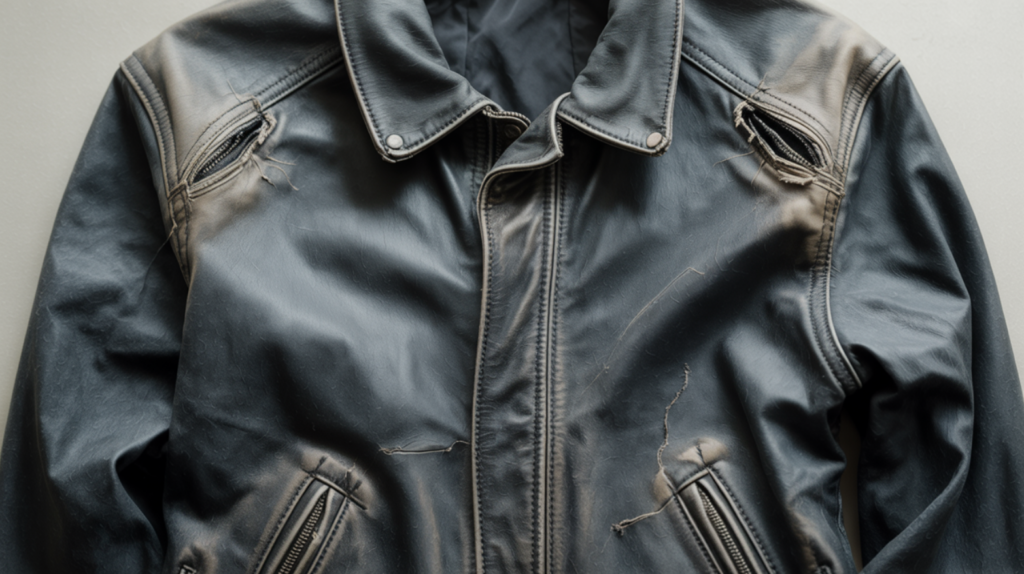
Understanding how wear happens allows you to slow the damage and protect your jacket before visible failure begins.
Why Usage Matters More Than Most People Realize
Rexine forms a layered structure of plastic coating and fabric base. That structure gives the jacket its smooth finish, but it also means stress is not distributed evenly when the material bends, stretches, or rubs against surfaces. This is why even simple actions, such as what happens during normal movement, can quietly weaken the material over time — something explored in more detail in how daily movement causes rexine jackets to tear over time.
Each time the jacket moves with your body, tiny stress points form inside the coating. Over weeks and months, those micro-stresses accumulate, and the coating begins to lose flexibility. As flexibility decreases, surface cracking becomes more likely, which then leads to tearing once the fabric beneath becomes exposed.
How Movement Gradually Weakens Rexine
Human motion creates constant bending and folding of jacket panels. Shoulders lift, elbows bend, torsos twist, and every motion forces the material to stretch slightly beyond its resting shape. In tighter garments, this effect becomes far more severe, which is why tight-fitting rexine jackets tear faster than most people expect.
Over time, these repeated movements thin the plastic layer, especially in high-motion zones such as sleeves, shoulders, and underarms. Once thinning occurs, the material no longer distributes pressure evenly, allowing cracks to appear in narrow stress lines that eventually widen into visible tears.
What begins as invisible fatigue quietly becomes structural failure.
The Role of Fit in Accelerating Wear
Fit controls how stress spreads across the jacket. A tight-fitting rexine jacket stretches more during movement, which increases internal tension in the coating. That added tension weakens the bond between the coating and the fabric backing.
On the other hand, extremely loose jackets tend to fold and crease more frequently, creating sharp bending points that damage the coating from the outside. In both cases, the wrong fit alters stress behavior in ways that shorten the jacket’s usable life.
A properly fitted jacket reduces both stretching stress and excessive folding, which is why fit is one of the most overlooked protective factors.
How Everyday Habits Increase Damage
Daily habits amplify wear without being noticed. Carrying heavy backpacks compresses shoulder panels and creates constant downward pressure, which is why backpacks cause shoulder tearing on rexine jackets more often than people realize.
Sitting in chairs rubs the lower back and side seams. Seat belts scrape across chest and shoulder surfaces. Even leaning against rough walls introduces abrasive contact that gradually scuffs the coating. Each small interaction removes microscopic material from the surface. Over time, this erosion weakens the protective layer and exposes the fabric underneath, allowing tears to form with much less force than before.
Damage accumulates quietly until one day the jacket splits.
Seasonal Usage Effects on Rexine
Temperature changes affect plastic flexibility. Cold weather stiffens the coating, making it more brittle and easier to crack when bent, which explains many of the failures described in why winter wear causes rexine jackets to crack. Heat, on the other hand, softens the coating and increases stretching and deformation during movement.
Both extremes accelerate aging when combined with daily wear. Winter use often produces fine surface cracks, while summer use contributes to sagging and thinning. Together, seasonal stress cycles shorten the overall lifespan of rexine jackets.
Friction: The Hidden Destroyer
Friction removes surface protection layer by layer. Repeated contact with desks, tables, vehicle seats, walls, and even your own arms grinds away the outer coating. Once that protective barrier thins, the underlying fabric absorbs moisture and loses structural integrity. This process is closely tied to the surface damage discussed in how friction from chairs and surfaces tears rexine jackets.
At that stage, small surface cracks quickly transform into full tears.
How Usage Wear Turns into Tearing
Wear weakens coating integrity. Weak coating exposes fabric backing. Exposed fabric then fails under normal movement. This chain explains why many jackets seem to tear “suddenly.” The failure is not sudden at all. It is the final stage of months of silent material fatigue.
How Understanding Wear Helps You Prevent Damage
Awareness changes behavior. Once you understand how daily actions affect rexine, you naturally begin to adjust posture, storage habits, and usage routines. These small changes dramatically slow material breakdown and can extend a jacket’s usable life by years.
A rexine jacket that is worn with care often outlasts a more expensive jacket that is worn carelessly.
Conclusion
Usage and wear are the primary forces that determine whether a rexine jacket stays intact or breaks down early. Rexine’s layered construction makes it especially sensitive to movement stress, friction, fit problems, and seasonal conditions. By recognizing how these forces interact with the material each day, you gain real control over the future condition of your jacket and prevent tearing long before it becomes visible.