
Heat is one of the most damaging environmental forces affecting rexine jackets.
Rexine is a synthetic leather material whose surface flexibility depends on internal compounds that soften and harden with temperature changes.
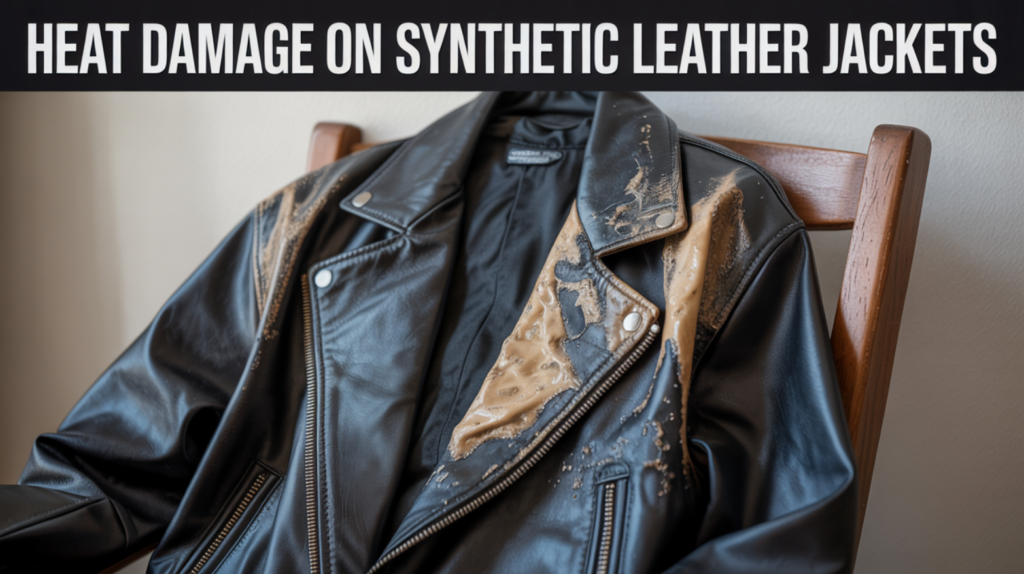
When exposed to excessive heat, those compounds degrade, leaving the material brittle, weak, and increasingly prone to cracking and peeling.
This pattern represents a major part of the deterioration cycle explained in the environmental & usage damage on rexine jackets guide.
How Heat Weakens Rexine from Within
Prolonged heat exposure dries the internal plasticisers that keep rexine flexible.
As these compounds break down, the surface coating loses its ability to rebound after bending.
This loss of elasticity means that even normal movement places greater strain on the material.
Over time, the surface thins, cracks, and begins to separate from the backing fabric.
Why Heat Makes Other Damage Worse
Heat rarely acts alone.
It amplifies the effects of nearly every other environmental stress.
When heat combines with moisture, drying occurs too quickly, worsening the internal stress described in humidity and moisture damage on rexine jackets.
When heat combines with sunlight, ultraviolet radiation accelerates the same breakdown explained in sun damage on rexine jackets.
This combination dramatically speeds up surface failure and material fatigue.
Signs of Heat-Related Deterioration
Heat damage develops through gradual changes such as:
- stiffening of the surface
- dull or chalky texture
- loss of smooth finish
- early cracking at fold points
- increased peeling at edges
These changes often appear first on the shoulders, back panels, and upper sleeves, where heat exposure is strongest.
Conclusion
Heat damages rexine jackets by breaking down the compounds that give the material flexibility and strength.
As these compounds degrade, the jacket becomes brittle, unstable, and increasingly vulnerable to cracking and peeling.
Storing jackets away from direct heat, avoiding prolonged sun exposure, and keeping them in temperature-stable environments can dramatically slow this deterioration and extend the jacket’s usable life.