
Cold weather places a unique form of stress on rexine jackets.
Rexine is a synthetic leather material formed from plastic-based layers bonded to a fabric backing, and its ability to remain flexible depends heavily on temperature stability.
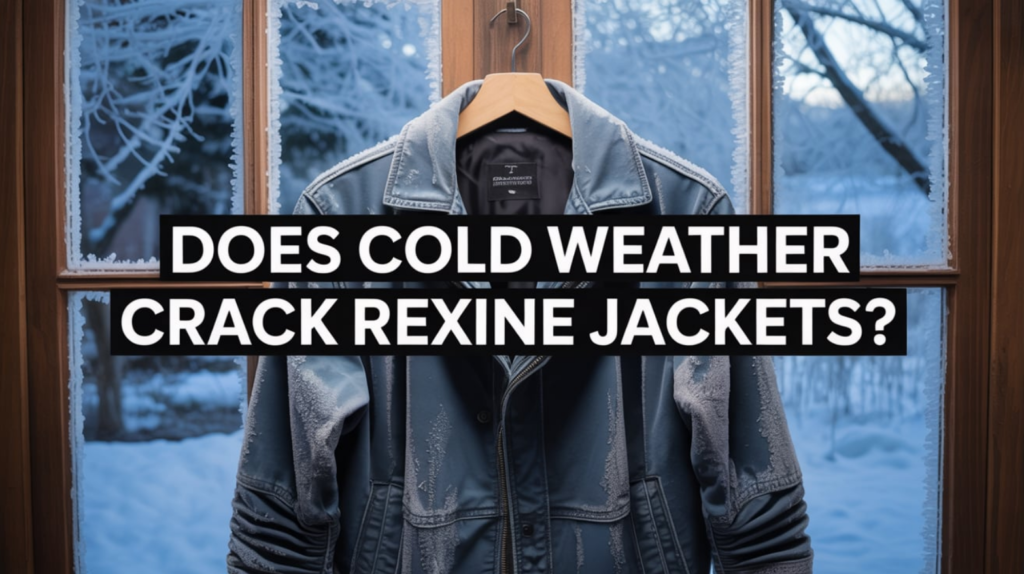
When exposed to low temperatures for extended periods, the material stiffens, making cracking one of the most common winter-related forms of damage.
This behaviour represents one of the core deterioration patterns explained in the broader environmental & usage damage on rexine jackets guide.
Why Low Temperatures Trigger Cracking
As temperatures drop, the polymer compounds within rexine lose elasticity.
This loss of flexibility prevents the surface from bending smoothly with movement.
Instead, each fold at the elbows, shoulders, and collar concentrates stress along narrow surface lines.
With repeated motion, those stress lines deepen into visible cracks.
Once cracking begins, the protective surface coating weakens, allowing moisture and air to penetrate the layers beneath.
Over time, this explains why jackets that appear undamaged in autumn often show visible deterioration by late winter.
How Winter Conditions Multiply the Damage
Cold rarely acts alone.
In many climates, winter also introduces damp air, condensation, and light rain.
When rexine absorbs moisture and later dries in cold air, its internal layers expand and contract at different rates.
This uneven movement weakens the adhesive bond that holds the surface together.
This same cycle closely connects with humidity and moisture damage on rexine jackets, where prolonged dampness accelerates peeling and surface separation.
The Role of Movement and Friction in Cold Weather
During colder months, jackets are worn more tightly and layered more heavily.
This increases friction and restricts natural movement, forcing rexine to bend under greater tension.
Over months of wear, this added stress contributes to the same surface thinning described in how daily friction causes rexine jacket damage, but at a faster pace.
The combination of cold-induced stiffness and constant motion makes cracking almost inevitable without careful handling.
Early Warning Signs of Cold Damage
Cold-related deterioration rarely appears suddenly.
It develops through subtle changes such as:
- a stiffer feel when putting the jacket on
- faint surface lines near seams and folds
- loss of surface smoothness
- reduced flexibility during arm movement
Recognising these signs early allows for protective measures before cracking becomes permanent.
Conclusion
Cold weather cracks rexine jackets because low temperatures reduce material flexibility while daily movement concentrates stress along weakened surface lines.
This interaction between temperature and motion slowly fractures the surface until visible damage appears.
Understanding this process allows jacket owners to prevent much of the damage through controlled storage, gentle handling, and limiting prolonged exposure to extreme cold, steps that significantly extend the life and appearance of rexine jackets.